
A world without colour: Lessons from the Butterflies

The world is becoming less colourful. According to recent studies: In the Amazon, many butterfly species are losing their vibrant colours due to habitat loss and environmental degradation. So strange, we cause decolorization in nature, while we live in a modern world that we obsessively seek for accurate beauty and brightness in our every day life (flawless Instagram images, cosmetic perfection), setting very often semblance and appearance over reality and essence in the scale of values. An eternal pursuit for perfection and a parallel destruction of the ultimate perfection that nature offers to us.
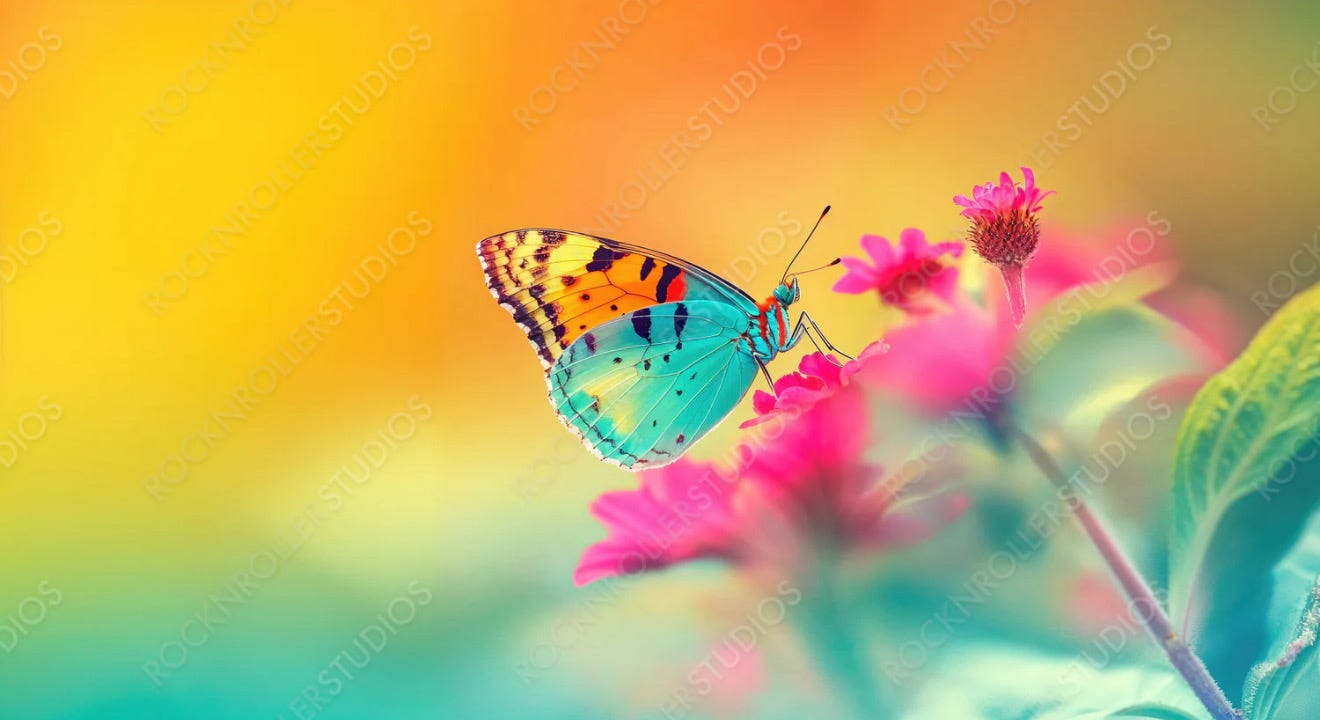
Colour is very important for butterflies. It is not just “beauty for beauty’s sake.” Colours play a functional role in the lives of butterflies (mate attaction, camouflage or warning signals, habitat signalling etc.). So, when deforestation and habitat simplification forces a shift toward dull coloured species, it is not just an aesthetic loss, it is a loss of ecological strategies and biodiversity.
In habitats degraded by deforestation or replaced by monocultures, the surviving butterfly communities tend to be dominated by species with duller wing colours (browns and greys rather than bright blues, reds or iridescent hues). It seems we have imposed our craving for uniformity as onto nature too, reducing diverse ecosystems into monocultures.
As we destroy complex, living systems, we don't just lose species, we lose beauty, richness, subtlety. Just as in human cultures where subtle traditions and crafts vanish under homogenization, ecosystems lose their diversity ,and with it, capacity for resilience, adaptation, wonder. Butterflies stopping being bright is not just about extinction: it is about erasing a dimension of life itself. This “colour fade” among butterflies is a visible indicator of broader biodiversity loss, since butterflies are often considered “bio indicators,” their decline (in number and colour diversity) hints at deeper ecosystem degradation.
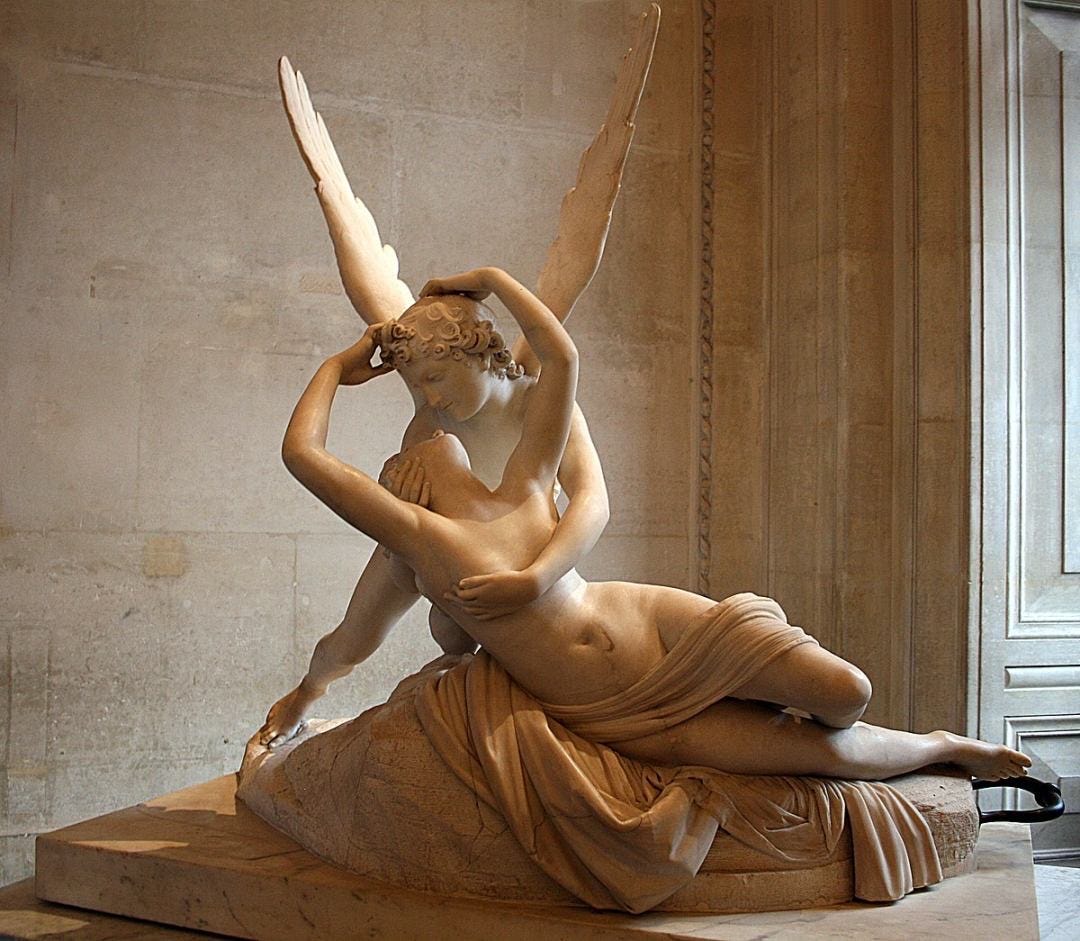
Butterflies have long been intertwined with human culture as symbols of the soul. In ancient mythology, the soul was imagined as a butterfly, fragile, luminous, always seeking the light. Psyche herself was portrayed with delicate wings, a symbol of the spirit’s longing to rise beyond the earthly world with the help of eros. Psyche was a beautiful mortal princess whose beauty incited the jealousy of Aphrodite (Eros' mother). Aphrodite ordered Eros to make Psyche fall in love with a hideous man, but instead, Eros fell deeply in love with her himself.) Her journey with Eros is the story of every soul:to wander, to suffer, to awaken, and to be transformed into something capable of love’s immortality. Love is like a butterfly: delicate, fleeting, and transformative. That is what life shall be to be experienced gracefully and essentially.
Butterflies, after all, live brief, fragile lives, and yet their beauty is genuine, fleeting, and deeply tied to their existence. Their ephemeral brilliance reminds us that real beauty is not something to freeze or manufacture, but something to witness, appreciate, and respect in its natural, transient form. Perhaps, in their fading, these butterflies offer a lesson: life’s true value lies not in perfection or permanence, but in the delicate, transient moments that cannot be endlessly curated or controlled.
Thus, another lesson from butterflies is that life resists strict codes, and unpredictability is part of its beauty. The butterfly effect (in chaos theory) reminds us that nothing in existence is insignificant. It illustrates how something as tiny as the flap of a butterfly’s wings can ultimately influence complex systems and create significant outcomes. A single, delicate motion, a choice, a word, a moment, can ripple through the fabric of reality and alter what the future becomes. Chaos theory, in its deepest sense, teaches that the world is shaped not only by grand forces, but also by the quiet, almost invisible beginnings that we rarely notice. Every small act carries within it the potential for an unforeseen destiny.
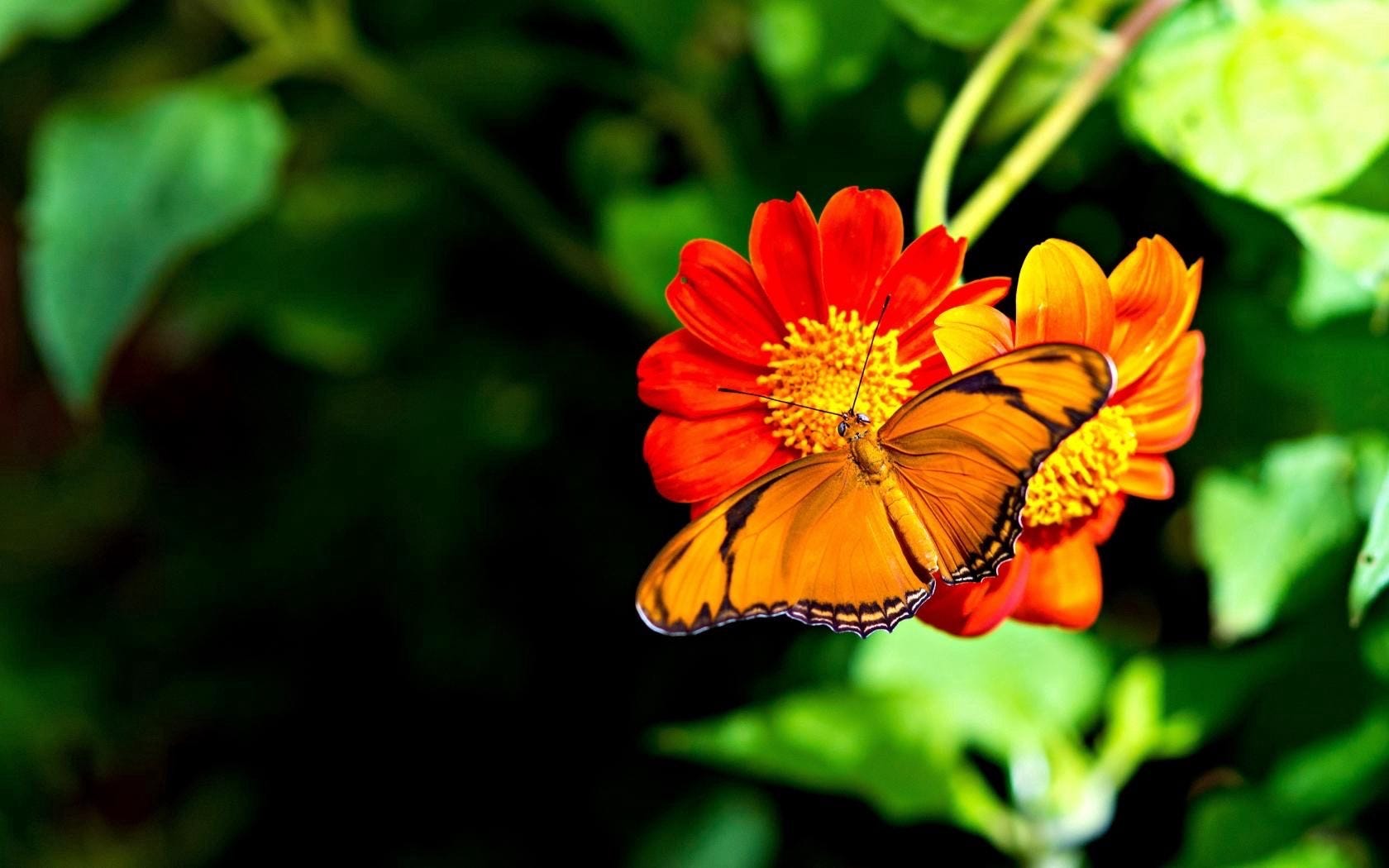
All in all, we shall be optimistic. Nature shows us that transformation can be undone and beauty can return. Decolourisation of the butterflies is reversible. In the era of the Industrial Revolution, the peppered moth darkened their wings to match the soot-covered British cities. But later with the decrease in pollution, the peppered moth regained its original light color, reminding us of nature’s resilience. Nature’s palette is always changing in response to natural selection pressures. For the moths, the dark colourisation developed because they were trying to hide, but the butterflies use bright colours to advertise their toxicity to predators: This is the magnificence of nature’s complexity.
Colour is evolutionarIly important, as we are innately drawn to it, there is hope that we wil continue to live in a colourful natural world.
We must plant more colorful flowers to support our butterflies. A privilege!
I believe transformation can be undone. We must all go our part. I plant many colorful flowers in my gardens to attract these magnificent butterflies. I hope others plant pretty flowers in their gardens all over the world as well.